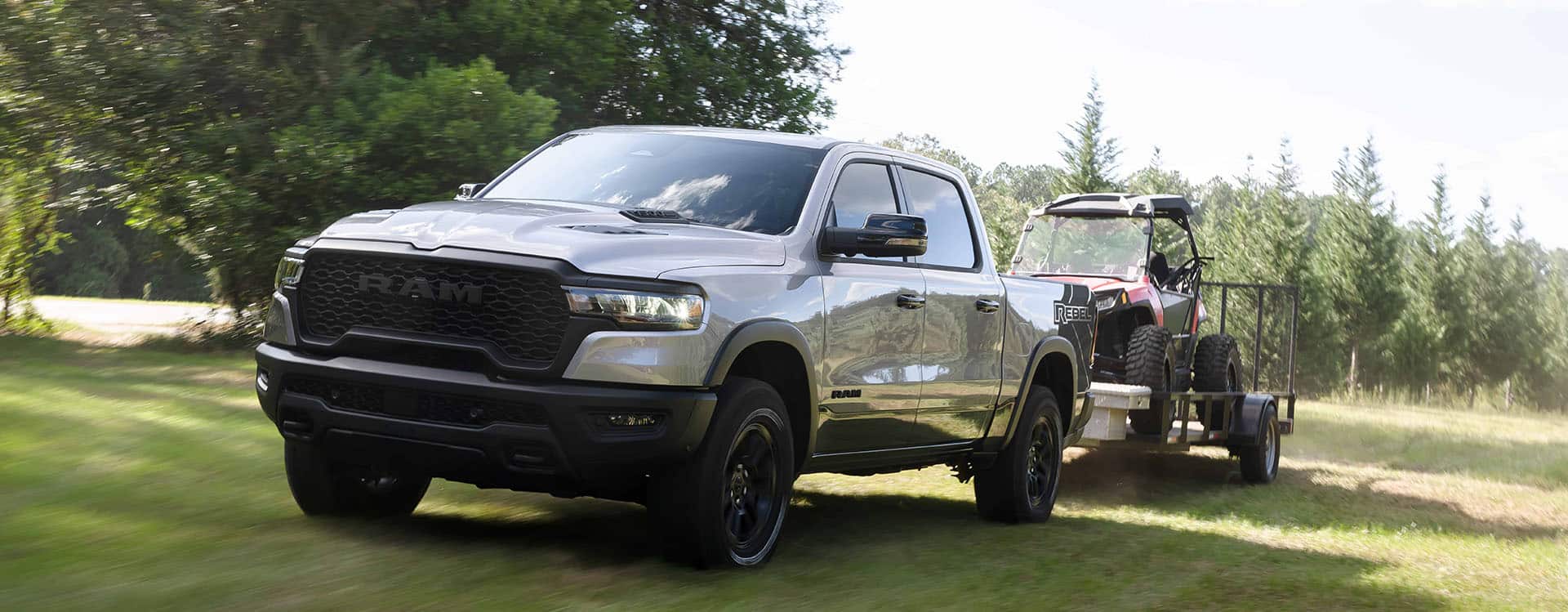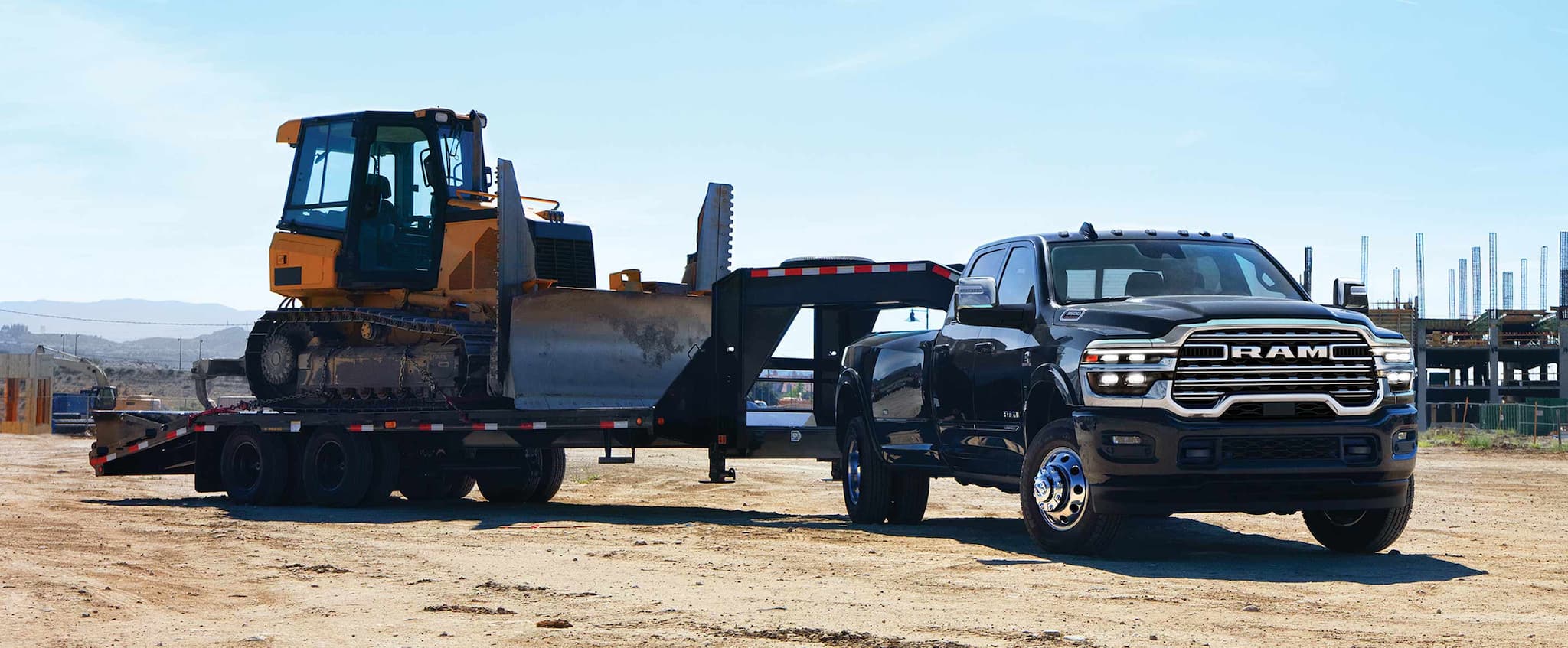


When you’re hauling landscaping equipment to a job site in Peachtree City or towing your boat to West Point Lake for the weekend, your Ram 1500 becomes more than just a truck—it becomes the workhorse that keeps your livelihood and lifestyle running smoothly. But here’s the thing: towing puts serious stress on your truck in ways that regular driving simply doesn’t. The extra weight challenges every major system, from your brakes working overtime to bring thousands of pounds to a safe stop, to your transmission managing intense heat while keeping power flowing to the wheels. For Ram 1500 owners in Newnan and surrounding Coweta County, understanding how to properly maintain your truck for towing isn’t just about avoiding expensive repairs—it’s about ensuring you can confidently haul your trailer up I-85 toward Atlanta or pull a heavy load through Sharpsburg without worrying whether your truck can handle it. That’s where the expertise of our certified service center comes in, helping you keep your Ram ready for whatever you need to haul.
Understanding why towing is so demanding on your truck helps explain why regular maintenance becomes absolutely critical when you’re hauling heavy loads. When you hook up a trailer loaded with construction materials or a camper for a weekend trip to Callaway Gardens, you’re fundamentally changing how your Ram 1500 operates. The added weight—whether it’s 5,000 pounds or closer to your truck’s maximum towing capacity of up to 11,320 pounds when properly equipped—forces every system to work considerably harder than it was designed to during normal driving conditions.
Your brakes face the most obvious challenge. Instead of stopping just the 5,000 to 6,000 pounds of your truck, they’re now handling the combined weight of both vehicle and trailer, which can easily exceed 10,000 pounds. This dramatically increases the heat generated during braking, especially when you’re navigating the hills around Newnan or slowing down for traffic on Highway 34. That heat can cause brake pads to wear faster, brake fluid to break down more quickly, and rotors to warp if the system isn’t properly maintained. Meanwhile, your transmission manages tremendous stress as it works to keep power flowing smoothly while preventing overheating. The transmission fluid, which serves as both a lubricant and a coolant, breaks down faster under the intense heat generated during heavy towing—particularly during Georgia’s humid summer months when temperatures regularly hit 90 degrees or higher.
Your Ram 1500’s braking system is hands-down the most critical safety component when you’re towing heavy loads around Newnan and beyond. Unlike your engine or transmission that might give you warning signs before they fail, brake problems can escalate dangerously quickly when you’re hauling a loaded trailer. Every time you press the brake pedal while towing, you’re generating significantly more heat than during normal driving—and that heat is what ultimately wears down your brake components and compromises stopping power.
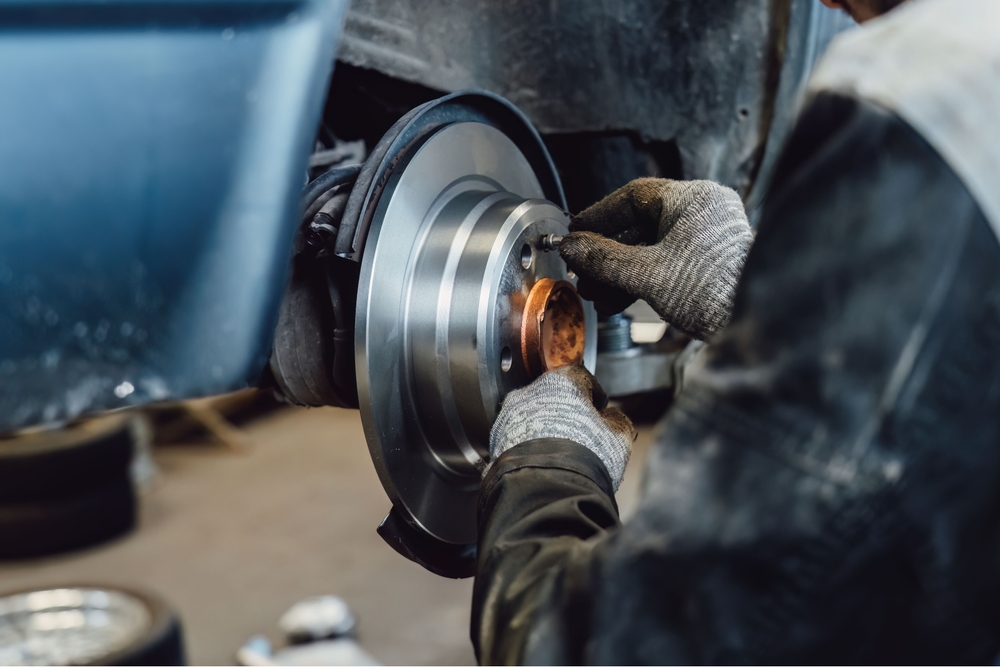
Brake pads are your first line of defense, and they wear considerably faster when towing. The friction material on the pads gradually deteriorates with each stop, but the process accelerates dramatically when you’re managing the weight of a trailer. Many Ram 1500 owners who tow frequently find they need pad replacements every 20,000 to 30,000 miles instead of the typical 50,000 miles for regular driving. Our expert brake inspection service checks pad thickness, examines the friction material for glazing or cracking caused by overheating, and ensures even wear across all four wheels so you know exactly where your brakes stand before your next towing job.
Rotors can warp from excessive heat, creating a pulsating sensation in the brake pedal and reduced stopping efficiency. When towing in hilly areas or making frequent stops in city traffic, your rotors can reach temperatures between 600 to 700 degrees Fahrenheit—far higher than the 250 to 300 degrees they see during normal driving. Warped rotors often feel like a shaking steering wheel when braking and can dramatically increase your stopping distance. Brake fluid rounds out the critical trio of brake components. This hydraulic fluid transfers the pressure from your brake pedal to the calipers, but it absorbs moisture from the air over time. When brake fluid gets contaminated with water, its boiling point drops significantly, and under the intense heat of towing, it can actually boil and create air bubbles in your brake lines, giving you that spongy, soft brake pedal feel that’s terrifying when you’re trying to stop a heavy load.
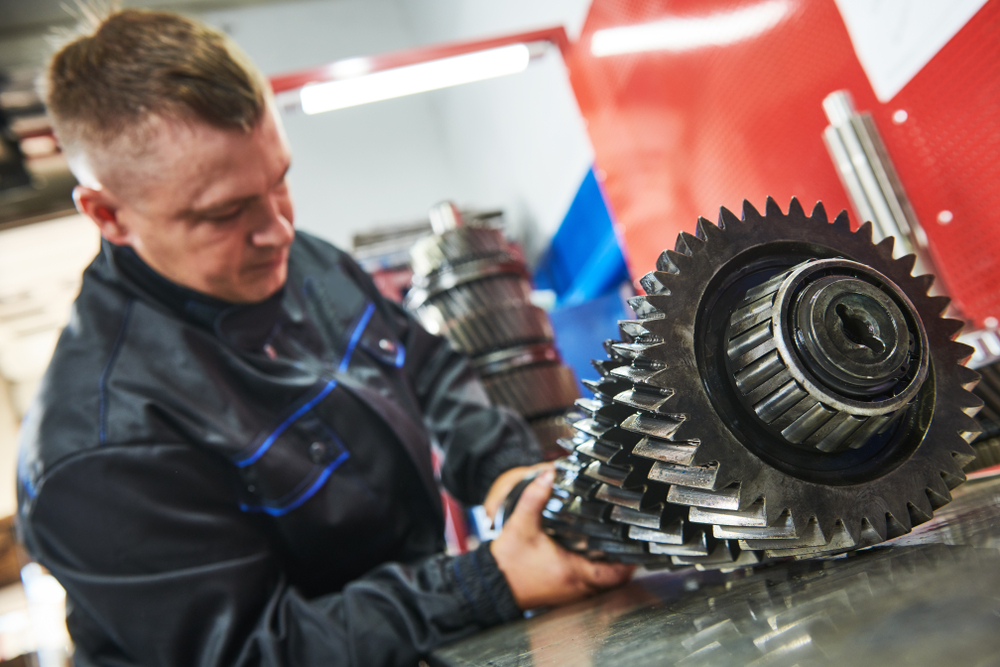
Your Ram 1500’s transmission is the unsung hero when you’re towing—constantly working to keep power flowing smoothly from your engine to your wheels while managing enormous amounts of heat and stress. Unlike brakes that you can visually inspect, your transmission operates mostly out of sight, which makes proper maintenance and attention to warning signs absolutely essential for anyone who regularly hauls heavy loads around Newnan and Coweta County.
Transmission fluid serves double duty as both a lubricant and a coolant, keeping all those intricate gears, clutches, and bands working smoothly while carrying heat away from critical components. When you’re towing, your transmission generates significantly more heat than during regular driving—sometimes running 50 to 100 degrees hotter than normal operating temperature. Most Ram 1500 owners who tow frequently should consider changing their transmission fluid every 30,000 to 60,000 miles instead of the standard 100,000-mile interval recommended for lighter use. Our certified transmission service includes a complete fluid exchange, filter replacement, and inspection of the transmission pan for any metal shavings or debris that might indicate internal wear.
Knowing when to use Tow/Haul mode is crucial for transmission longevity. This feature, activated by a simple button on your gear shifter, fundamentally changes how your transmission behaves. Instead of shifting normally, Tow/Haul mode holds gears longer before upshifting, keeping your engine in its power band where it generates maximum torque. The mode also provides engine braking when you let off the accelerator or apply the brakes on downhill grades, automatically downshifting to help slow the truck without relying solely on your brakes. Most Ram 1500 owners should engage Tow/Haul mode whenever they’re towing more than a few thousand pounds, driving in hilly terrain, or hauling heavy loads—basically any time your transmission seems to be hunting for the right gear or shifting more frequently than normal.
Your Ram 1500’s engine—whether it’s the reliable 3.6-liter Pentastar V6, the powerful HEMI V8, or one of the newer Hurricane turbocharged engines—works significantly harder when towing, generating much more heat than during everyday driving around Newnan. Keeping that engine properly maintained and cooled is essential for reliable towing performance and avoiding breakdowns when you’re miles from home with a heavy trailer in tow.
Oil changes become even more important when you’re regularly towing heavy loads. Engine oil lubricates all the moving parts inside your engine while also helping to carry away heat. When towing, your engine runs hotter and works harder, which breaks down oil faster and causes it to lose its protective properties more quickly. Many mechanics recommend that frequent towers follow a more aggressive oil change schedule—perhaps every 5,000 to 7,500 miles instead of the standard 10,000-mile interval. Our Mopar®-certified oil change service uses only manufacturer-approved oils and filters, protecting your engine and keeping your warranty intact.
Your cooling system deserves special attention before any towing trip. The radiator, water pump, thermostat, and coolant all work together to keep your engine temperature in the safe zone, typically around 195 to 220 degrees Fahrenheit. When towing on a hot summer day in Georgia, that system gets pushed to its limits. Low coolant levels, old degraded coolant, or a clogged radiator can cause your engine to overheat, potentially leaving you stranded on the side of I-85 with a loaded trailer. Check your coolant level regularly—it should be between the minimum and maximum marks on the overflow reservoir when the engine is cold. Most experts recommend flushing and replacing coolant every 10 years or 150,000 miles (whichever comes first) to maintain maximum cooling efficiency, though more frequent changes may be advised for severe service conditions like extreme towing in hot climates.
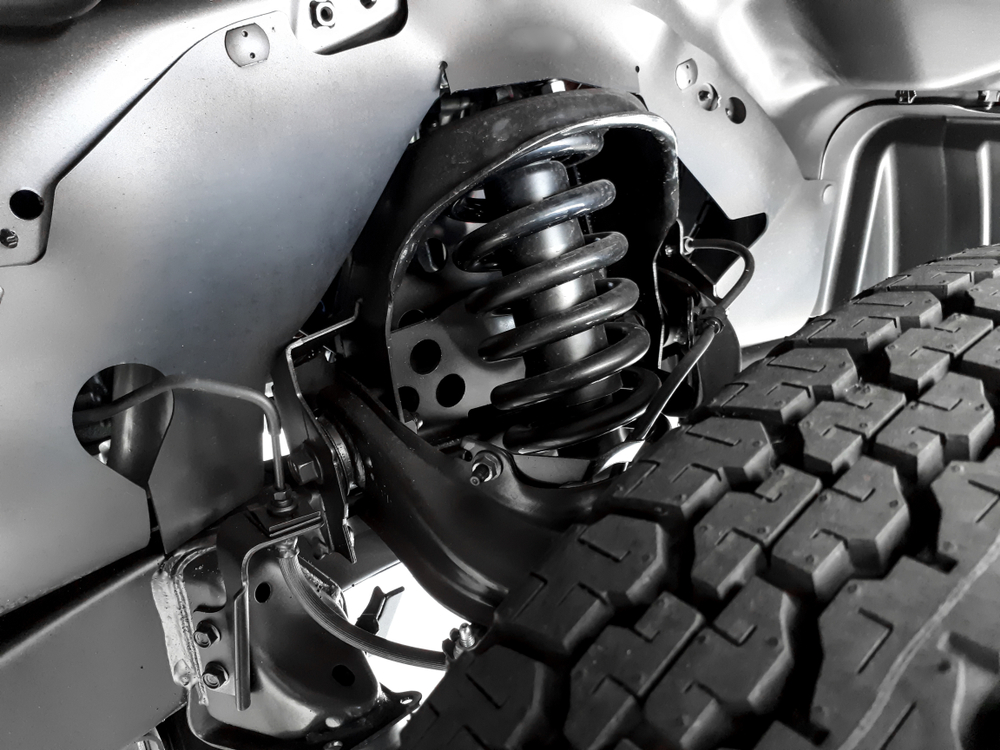
Your Ram 1500’s tires and suspension system form the crucial foundation that keeps your truck stable and controlled when towing heavy loads through Newnan and across Georgia. These components bear the brunt of all that extra weight, and even small issues can compromise safety and handling when you’ve got thousands of pounds of trailer behind you.
Tire pressure becomes absolutely critical when towing. Underinflated tires flex more, generating excessive heat that can lead to blowouts—a dangerous situation made exponentially worse when you’re pulling a heavy trailer at highway speeds on I-85. Most Ram 1500 trucks require higher tire pressures when towing compared to regular driving, often in the range of 50 to 60 PSI for the rear tires depending on your specific model and load. Check your driver’s side door jamb for the manufacturer’s recommended tire pressures for different load conditions. Our proper tire service includes pressure checks, tread depth measurement, and rotation to maximize tire life.
Tread depth directly affects your truck’s ability to maintain traction, especially on wet Georgia roads during sudden summer thunderstorms. Most experts recommend replacing tires when tread depth reaches 4/32 of an inch for vehicles used in towing applications, rather than waiting until the legal minimum of 2/32 inch. Also look for uneven wear patterns across the tire, which might indicate alignment problems or suspension issues that need addressing before they cause more serious problems.
Beyond the major systems like brakes and transmission, several other fluids, filters, and components work quietly in the background to keep your Ram 1500 towing reliably. These often-overlooked items might not seem as critical as brakes or engine oil, but neglecting them can lead to unexpected failures that leave you stranded—something no one wants when hauling a valuable load.
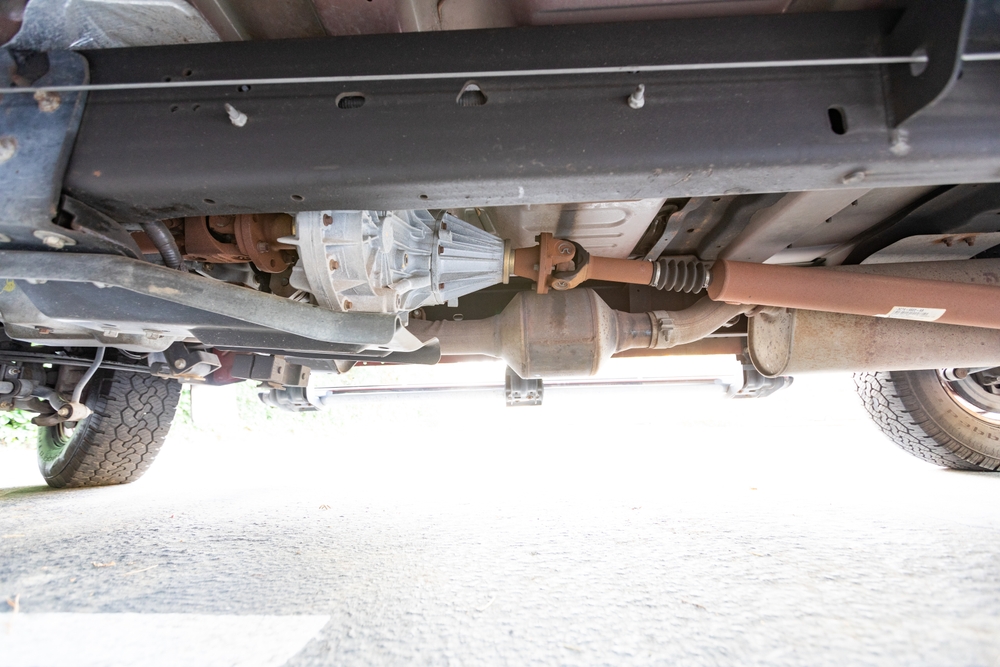
Differential fluid in your rear axle—and front axle if you have four-wheel drive—lubricates the gears that transfer power from your transmission to your wheels. When towing, these gears work much harder and generate significantly more heat, which breaks down the fluid faster than normal driving conditions. Most manufacturers recommend changing differential fluid every 30,000 to 50,000 miles for trucks used in severe service, which includes frequent towing. Some Ram 1500 models use friction modifier additives in the differential fluid—using the wrong fluid or skipping these additives can cause chatter and damage, so make sure any service uses the proper genuine Mopar® parts and fluids specified for your truck.
The engine air filter plays a crucial role in engine performance, especially when towing. Your engine needs to inhale huge volumes of air to mix with fuel and create power—even more so when working hard to pull a heavy trailer. A clogged air filter restricts airflow, reducing engine power and fuel economy while potentially causing your engine to run hotter than normal. Inspect your air filter regularly, particularly if you drive on dusty Newnan back roads or unpaved job sites, and replace it when it looks dirty.
| System | Key Components | Service Interval (Frequent Towing) | Warning Signs |
|---|---|---|---|
| Brakes | Pads, Rotors, Fluid | Pads every 20,000-30,000 mi; Fluid every 30,000 miles | Squealing, pulsating pedal, soft pedal feel, burning smell |
| Transmission | Fluid, Filter, Cooler | Every 30,000-60,000 mi | Slipping, delayed shifts, burning smell, overheating |
| Engine & Cooling | Oil, Coolant, Radiator | Oil every 5,000-7,500 mi; Coolant every 10 years | High temperature gauge, leaks, discolored fluids |
| Tires | Pressure, Tread, Alignment | Check pressure before each trip; Rotation every 6,000-8,000 mi | Uneven wear, low tread depth, vibration, pulling |
| Differential | Gear Oil | Every 30,000-50,000 mi | Whining noise, vibration, leaks at axle seals |
Q: How often should I change my transmission fluid if I tow frequently with my Ram 1500?
A: If you’re towing regularly—especially loads over 5,000 pounds or in hilly terrain—you should change your transmission fluid every 30,000 to 60,000 miles instead of the standard 100,000-mile interval. The extra heat generated during towing breaks down the fluid faster, reducing its ability to lubricate and cool your transmission effectively.
Q: Do I need special brakes for towing?
A: While your Ram 1500 comes with capable brakes from the factory, frequent towing can benefit from upgraded brake pads designed for high-heat applications. More importantly, you need to maintain your existing brakes properly—worn pads or degraded brake fluid can be dangerous when towing, regardless of what type of pads you have.
Q: What is “Tow/Haul” mode, and when should I use it?
A: Tow/Haul mode changes how your transmission shifts to better handle heavy loads. It holds gears longer before upshifting, keeps your engine in its power band, and provides engine braking when descending hills by automatically downshifting. You should use it whenever you’re towing more than a few thousand pounds or driving in hilly areas.
Q: How does towing affect my Ram 1500’s oil change schedule?
A: Towing is considered severe service, which means your engine works harder and oil breaks down faster. Instead of the standard 10,000-mile interval, frequent towers should consider changing oil every 5,000 to 7,500 miles to ensure maximum engine protection under these demanding conditions.
Q: Can I use any brake pads, or are Mopar parts better for towing?
A: While aftermarket brake pads can work, genuine Mopar parts are specifically engineered for your Ram 1500 and tested to handle the demands of towing. They’re also required to maintain your factory warranty, providing consistent stopping power and proper wear characteristics—crucial factors when you’re hauling heavy loads.
Q: Where can I get my Ram 1500 serviced for towing in Newnan, GA?
A: Newnan Peachtree Chrysler Dodge Jeep Ram has factory-certified technicians who specialize in Ram truck maintenance, including all the critical towing services your truck needs. We use genuine Mopar parts and understand exactly what your Ram 1500 requires to tow safely and reliably.
When your livelihood or weekend adventures depend on your Ram 1500’s ability to tow reliably, you need a service center that understands the unique demands heavy hauling places on your truck. Our factory-certified technicians at Newnan Peachtree Chrysler Dodge Jeep Ram have the specialized training and diagnostic equipment to properly maintain every system on your Ram, from the complex eight-speed transmission to the advanced braking system. We use only genuine Mopar parts—the same components used when your truck was built—ensuring perfect fit, proper function, and full warranty protection.
Whether you’re towing construction equipment daily or hauling your boat to West Point Lake on weekends, waiting to address maintenance needs only increases the risk of costly breakdowns when you’re miles from home with a loaded trailer. Our comprehensive towing maintenance approach identifies exactly what your truck needs before problems develop, giving you the confidence to hook up any trailer knowing your Ram is truly ready for the job ahead.
Schedule your pre-tow inspection today and let our factory-certified technicians give your Ram 1500 the expert maintenance it deserves!
Or visit us at 53 Hollz Parkway Newnan, GA 30265, and let our certified Mopar technicians ensure your Ram 1500 is ready to tow safely and confidently—because you and your truck deserve service that’s as dependable as the loads you haul.