

Your Dodge Charger or Challenger isn’t just another car sitting in your driveway in Newnan—it’s a statement. Whether you’re piloting a 392 HEMI down Bullsboro Drive or unleashing a Hellcat’s supercharged fury on the backroads toward Sharpsburg, you know exactly what you’re driving: pure American muscle. But here’s the thing most enthusiasts quickly learn: keeping that power alive requires more than just filling the tank and checking the oil every few months. Performance maintenance is a completely different game, and understanding how to properly care for your muscle car means the difference between consistent, tire-smoking power and eventually watching your dream machine lose its edge. At our certified Mopar® technicians, we treat every Charger and Challenger like the high-performance machine it truly is, because we know you didn’t buy it to drive like a regular sedan.
Performance maintenance goes far beyond the standard services you’d get at any quick-lube shop around Coweta County. While regular maintenance focuses primarily on keeping your vehicle running reliably, performance maintenance is specifically designed to preserve and maximize the power, responsiveness, and driving characteristics that make your Dodge special in the first place. Think of it this way: a standard oil change might keep your engine from seizing, but a performance-grade synthetic oil change actively protects your high-compression HEMI under extreme heat and stress, ensuring it delivers consistent power even when you’re pushing it hard on a hot Georgia afternoon.
For Charger and Challenger owners in Newnan, performance maintenance means paying attention to components that work overtime in muscle cars. Your HEMI engine generates substantially more heat than a standard V6, especially during spirited driving sessions or when you’re making quick passes through Peachtree City. That heat breaks down fluids faster, puts more stress on cooling systems, and demands higher-quality lubricants to protect internal engine components. Your high-performance brakes require more frequent inspections and often need upgraded pads and rotors to handle repeated hard stops. Your suspension components bear heavier loads during aggressive cornering, and your differential fluid works harder transferring all that torque to the rear wheels. Essentially, every system in your muscle car operates at a higher intensity level, which means they all need more frequent attention and higher-grade replacement parts to maintain peak performance.
If you want your HEMI to keep delivering that addictive rumble and instant throttle response for years to come, sticking to a proper maintenance schedule isn’t optional—it’s absolutely essential. The good news is that Dodge has engineered these engines to handle serious abuse when properly maintained, but cutting corners will catch up with you faster than you’d expect. For most Charger and Challenger models with naturally aspirated HEMI engines like the 5.7L or 6.4L 392, you’ll want to change your oil every 6,000-10,000 miles or 6-12 months under normal conditions, but 5,000 miles or 6 months for severe duty like aggressive driving.. But here’s where it gets critical: you need to use the right oil. These high-performance engines require fully synthetic oil that meets Chrysler’s MS-6395 specification, typically a 5W-20 or 0W-40 depending on your specific engine and driving conditions around Newnan’s varying temperatures.
If you’re running a supercharged beast like a Hellcat or Redeye, your maintenance intervals get even more demanding. The supercharger introduces significantly more heat and stress into your engine, which means oil breaks down faster and cooling system components work overtime. Many Hellcat owners who regularly track their cars or engage in frequent hard pulls opt for even shorter oil change intervals—sometimes as low as 3,000 miles—to ensure maximum protection. Your air filter also needs more frequent attention in a supercharged application because any restriction in airflow directly impacts boost pressure and overall performance.
Beyond oil changes, your HEMI’s spark plugs need replacement typically around 30,000 miles for high-performance applications, much sooner than a standard vehicle. These engines run higher compression ratios and generate more combustion pressure, which gradually wears down spark plug electrodes. Your cooling system deserves regular attention too—flushing and replacing coolant every 150,000 miles prevents corrosion and ensures your engine stays at optimal operating temperature even when you’re pushing it hard on a summer day in Georgia where temperatures regularly hit the mid-90s. And don’t overlook your differential fluid; with all that torque going to your rear wheels, the fluid typically needs replacement every 30,000-40,000 miles to prevent gear wear and potential failure.
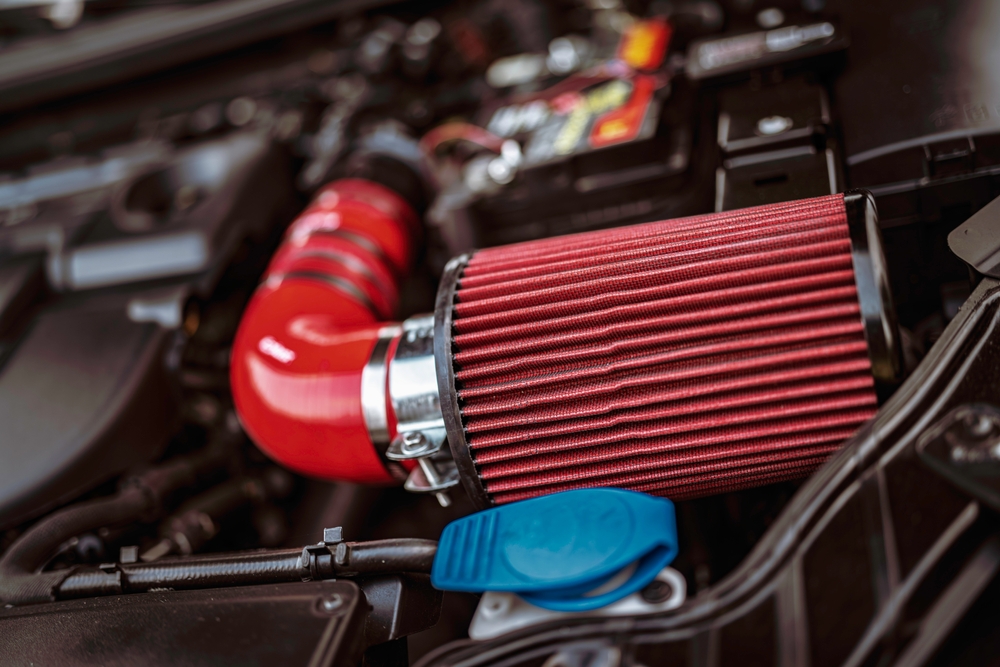
Once you’ve got the fundamental maintenance dialed in, you might start thinking about taking your Charger or Challenger to the next level. Performance upgrades aren’t just about adding horsepower—they’re about creating a more engaging, responsive driving experience that better matches your personal style. One of the most popular and effective first upgrades is a cold air intake system. By drawing cooler, denser air from outside the engine bay instead of pulling warm air from around the engine, a quality cold air intake can add anywhere from 5 to 15 horsepower depending on your specific engine setup. More importantly, it improves throttle response, making your engine feel more eager and alive when you press the accelerator.
Another area where thoughtful upgrades pay real dividends is your braking system. If you frequently drive your Charger or Challenger aggressively—whether that’s occasional track days or simply enjoying spirited drives on winding Georgia backroads—your factory brakes might start to show their limits. Upgrading to high-performance brake service with better pads, slotted or drilled rotors, and upgraded brake fluid makes a dramatic difference in stopping power and fade resistance. Performance brake pads are formulated to work better at higher temperatures, meaning they maintain consistent bite even after repeated hard stops. And if you’re serious about maximizing grip, a proper performance tire and alignment check ensures your wider, stickier tires make optimal contact with the pavement, translating all that horsepower into forward motion instead of wheelspin.
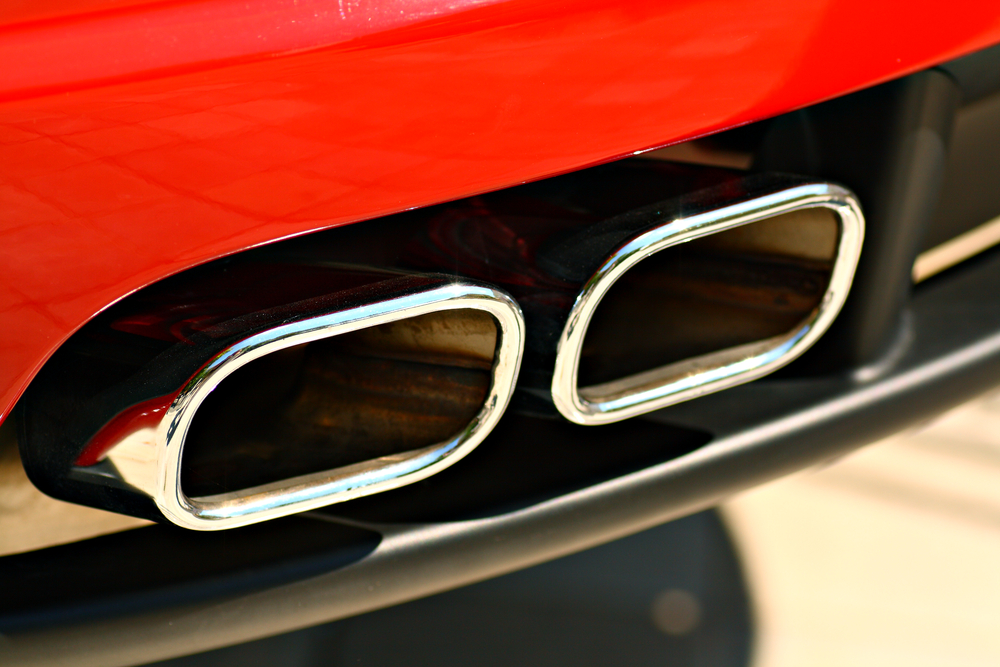
Few modifications capture the soul of a muscle car quite like a proper performance exhaust system. The deep, aggressive rumble of a HEMI engine isn’t just about sound—it’s about identity, presence, and the visceral connection between driver and machine. But beyond the auditory satisfaction, a well-designed exhaust system actually improves performance by reducing backpressure and allowing your engine to breathe more freely. Stock exhaust systems are engineered with multiple compromises in mind: they need to be quiet enough to meet noise regulations, affordable to manufacture, and restrictive enough to control emissions. A performance exhaust eliminates many of these restrictions, freeing up horsepower that was previously trapped in your exhaust system.
When it comes to exhaust upgrades, you’ll typically hear terms like “axle-back,” “cat-back,” and “headers.” Each represents a different level of modification with its own benefits and considerations. An axle-back system replaces only the mufflers and exhaust tips behind the rear axle—it’s the most affordable option and provides a noticeably deeper, more aggressive sound while adding around 5-10 horsepower. A cat-back system replaces everything from the catalytic converters back, including the mid-pipes and mufflers. This provides more substantial performance gains—typically 10-20 horsepower—along with an even more aggressive exhaust note. For the most serious performance gains, long-tube headers replace your factory exhaust manifolds, providing the least restrictive exhaust flow possible, with potential gains of 20-40 horsepower or more.
It’s crucial to work with knowledgeable technicians who understand both federal emissions and noise regulations and Georgia’s specific requirements, ensuring your upgraded exhaust delivers the sound and performance you want without causing legal issues. Quality exhaust systems from Dodge’s official performance parts line are engineered specifically for your Charger or Challenger, ensuring proper fitment and maintaining appropriate backpressure for optimal torque delivery.
If you’ve made significant modifications to your Charger or Challenger—or even if you just want to optimize your factory setup—professional engine tuning can unlock hidden performance and improve how your modifications work together. Modern Dodge muscle cars are controlled by sophisticated Engine Control Units (ECUs) that manage everything from fuel delivery and ignition timing to throttle response and transmission shift points. While the factory calibration is designed to work well for the average driver, it’s inherently conservative to ensure reliability across a wide range of driving styles and fuel quality. A custom tune adjusts these parameters to optimize performance for your specific vehicle.
For stock or lightly modified vehicles, a quality tune can typically add 20-40 horsepower and significantly improve throttle response, making your engine feel more eager and immediate when you press the accelerator. The improvements go beyond just peak horsepower numbers—a proper tune reshapes your entire power curve, filling in weak spots in the mid-range and making acceleration feel stronger across the entire RPM range. Transmission tuning is equally important, especially for automatic-equipped Challengers and Chargers.
However, there’s an important consideration every Dodge owner needs to understand: how tuning affects your factory warranty. The safest approach is to work exclusively with genuine Mopar® parts and tuning solutions, which are designed to enhance performance while maintaining warranty coverage. Many Dodge dealerships now offer Mopar-approved performance calibrations that provide real gains while being fully warranty-compliant, giving you the best of both worlds.
When you’re dealing with a high-performance vehicle like a Charger or Challenger, the expertise of your technician makes an enormous difference in both the quality of service and the long-term health of your muscle car. Certified Dodge technicians receive ongoing factory training specifically focused on HEMI engines, supercharged powertrains, performance braking systems, and the sophisticated electronics that control modern muscle cars. They understand the unique characteristics and common issues specific to these vehicles—things like the proper maintenance intervals for Hellcat supercharger oil or the correct procedures for bleeding high-performance Brembo brake systems. This specialized knowledge simply isn’t available at generic repair shops.
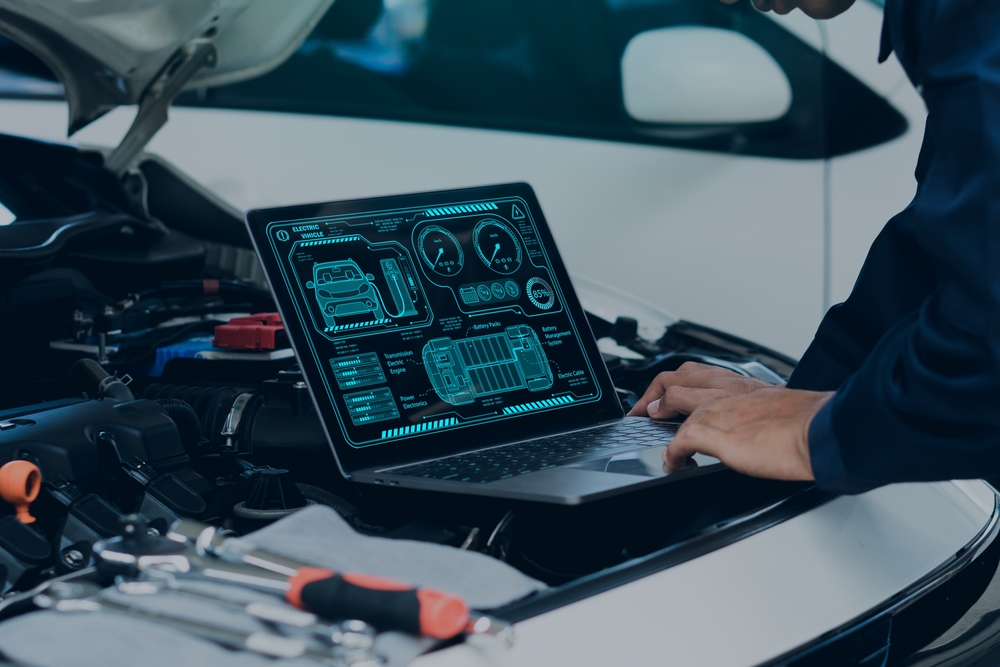
Beyond technical expertise, certified technicians have access to factory diagnostic equipment and repair information that independent shops often don’t. Modern Dodge vehicles use proprietary diagnostic systems that can identify subtle problems long before they become serious failures. When a check engine light appears on your dashboard, a certified technician can go far beyond generic trouble codes, accessing detailed real-time data streams that show exactly what’s happening inside your engine, transmission, and various control systems.
There’s also the parts consideration. While aftermarket companies make thousands of parts claiming to fit your Charger or Challenger, quality varies enormously. Certified technicians work primarily with genuine Mopar components that are specifically engineered for your exact model, tested to meet factory standards, and backed by warranty coverage. Genuine Mopar performance parts are engineered to deliver real gains without compromising reliability or creating new problems.
| Service Type | Naturally Aspirated HEMI (5.7L, 6.4L) | Supercharged HEMI (Hellcat, Redeye) | Why It Matters |
|---|---|---|---|
| Oil Change (Synthetic) | Every 5,000 miles or 6 months | Every 3,000-5,000 miles or 4 months | Prevents engine wear, maintains power output |
| Air Filter Replacement | Every 20,000-30,000 miles | Every 15,000-20,000 miles | Maintains optimal airflow, prevents power loss |
| Spark Plug Replacement | Every 30,000-50,000 miles | Every 25,000-30,000 miles | Ensures strong ignition, prevents misfires |
| Differential Fluid Change | Every 40,000-50,000 miles | Every 30,000-40,000 miles | Prevents gear wear, maintains smooth power delivery |
| Coolant Flush | Every 50,000-60,000 miles | Every 40,000-50,000 miles | Prevents overheating, protects against corrosion |
Note: More frequent intervals recommended for track use or aggressive driving. Consult your owner’s manual and service advisor for your specific model.
Keeping your Charger or Challenger at peak performance means staying on top of several key areas beyond just basic oil changes. Here’s what every serious muscle car owner in Newnan should be monitoring regularly:
For enthusiasts who want to dive even deeper into muscle car culture and maintenance tips, resources like the latest from Dodge Garage offer technical articles, performance comparisons, and insider insights directly from Dodge’s performance engineers.
Q: How often should I change the oil in my Charger/Challenger SRT Hellcat?
A: For Hellcat and Redeye models with supercharged engines, we recommend oil changes every 3,000 to 5,000 miles with full synthetic oil meeting Chrysler’s specifications. The supercharger creates significantly more heat and stress, breaking down oil faster than naturally aspirated engines.
Q: Is engine tuning (ECU remapping) safe for my new Dodge’s warranty?
A: The answer depends on what type of tune you’re considering. Aftermarket tunes from third-party companies can potentially void warranty coverage for powertrain-related issues. However, Mopar-approved performance calibrations are designed to work within safe parameters and typically maintain warranty coverage.
Q: What’s the difference between an axle-back and a cat-back exhaust system?
A: An axle-back system replaces only the mufflers and tips behind the rear axle—it’s more affordable, easier to install, and provides a deeper sound with modest power gains. A cat-back system replaces everything from the catalytic converters back, delivering more substantial sound enhancement and larger performance gains.
Q: Does a performance air intake really add horsepower?
A: Yes, a quality cold air intake can add genuine horsepower—typically between 10 to 25 horses depending on your specific engine and existing modifications. The power gains come from feeding your engine cooler, denser air, which allows for better combustion.
Q: What maintenance is required for a supercharger (e.g., in a Hellcat)?
A: The supercharger in Hellcat and Redeye models has its own lubrication system that requires specific maintenance. The supercharger oil should be changed approximately every 97,500 miles under normal conditions, or more frequently if you track the vehicle regularly.
Q: Why should I use Mopar® performance parts instead of aftermarket?
A: Genuine Mopar performance parts are specifically engineered and tested for your exact Charger or Challenger model, ensuring proper fitment, optimal performance, and warranty coverage. While aftermarket companies make parts that might be cheaper initially, quality varies enormously.
Your Dodge muscle car isn’t a standard vehicle, and it doesn’t deserve standard service. From a high-performance oil change to expert tuning that respects your warranty, our factory-trained technicians at Newnan Peachtree Chrysler Dodge Jeep Ram are equipped to keep your Charger or Challenger performing at its peak. We understand what these cars mean to their owners because we work on them every single day—we know the common issues, the best upgrades, and the proper maintenance procedures that keep HEMI engines roaring for hundreds of thousands of miles.
Whether you’re maintaining a daily-driven R/T or pushing a Hellcat to its limits, we have the expertise, equipment, and genuine parts to handle whatever your muscle car needs. Don’t trust your HEMI to just anyone—our certified Mopar® technicians provide specialized muscle car service that keeps your vehicle performing exactly as Dodge intended. Check our latest service specials to find exclusive offers on performance maintenance packages designed specifically for Charger and Challenger owners in the Newnan area.
Schedule your performance consultation today and keep your muscle car roaring!
Or visit us at 53 Hollz Parkway Newnan, GA 30265, and let our passionate team of Dodge specialists give your muscle car the expert care it deserves!